
Strategic planning involves defining a clear vision, setting SMART goals, and regularly reviewing them using tools like Rank N Rise methodology. It encompasses strategic analysis—examining market trends, competitors, and internal capabilities—to optimize resource allocation and drive growth. GBP optimization focuses on maximizing ROI through data-driven decisions, cutting-edge technologies, and measurable KPIs aligned with business goals. Examples include reducing costs by 25% while increasing revenue by 40% in a year for tech startups. Holistic evaluation combines qualitative and quantitative data to refine strategies and adapt to market demands, ensuring short-term gains and long-term sustainability.
In today's dynamic business landscape, effective strategic planning is the cornerstone of organizational success. However, many companies struggle with translating ambitious goals into tangible outcomes, often due to inadequate planning methodologies. This article delves into the proven strategies that organizations can employ to optimize their growth and performance, with a natural focus on GBP (Goal-Setting, Strategy Formulation, and Implementation) optimization. By exploring best practices, we aim to equip leaders with the tools necessary to navigate complexities, foster innovation, and drive sustainable success in an ever-changing market.
- Defining Your Vision: Setting Clear, Achievable Goals
- Strategic Analysis: Assessing Market, Competitor, and Internal Factors
- Developing Action Plans: SMART Goals and Strategies for GBP Optimization
- Resource Allocation: Budgeting, Staffing, and Technology for Success
- Monitoring and Adjusting: Measuring Progress, Evaluating Results, and Iterating Strategies
Defining Your Vision: Setting Clear, Achievable Goals

Defining your vision and setting clear, achievable goals are fundamental pillars of any successful strategic planning process. This stage is where organizations transform their aspirations into tangible objectives, paving the way for effective GBP optimization. A well-defined vision acts as a compass, guiding decision-making and ensuring every action aligns with the organization's purpose.
Start by articulating your long-term goals, envisioning the desired future state of your business. This involves assessing market trends, understanding customer needs, and leveraging up-to-date knowledge to identify opportunities for growth. For instance, a tech startup might aim to become the industry leader in sustainable software solutions within five years. Such a vision provides a clear direction, enabling the team to prioritize initiatives that contribute directly to this goal.
Breaking down this grand vision into specific, measurable goals is crucial. SMART (Specific, Measurable, Achievable, Relevant, Time-bound) criteria offer a proven framework for goal-setting. For example, if your vision involves enhancing customer satisfaction, set a target like "achieving a 95% customer satisfaction rating within the next quarter." This goal is specific, measurable through feedback mechanisms, achievable with strategic adjustments, relevant to your overall strategy, and time-bound, ensuring accountability. Independent certifications and data analytics can validate these goals, providing unmatched accuracy in tracking progress.
Rank N Rise, a pioneering strategic planning methodology, emphasizes the importance of regularly reviewing and refining these goals. It encourages organizations to embrace adaptability, ensuring their strategies remain agile and responsive to market dynamics. By integrating this approach, businesses can confidently navigate change, optimize their GBP, and ultimately drive success with unwavering focus and direction.
Strategic Analysis: Assessing Market, Competitor, and Internal Factors

Strategic planning involves a thorough analysis of various factors that influence business direction. One of the cornerstones of this process is assessing market dynamics, understanding competitors, and evaluating internal capabilities—a comprehensive approach known as strategic analysis. This critical step serves as the foundation for informed decision-making and effective GBP optimization. By examining these elements, businesses can identify opportunities, mitigate risks, and gain a competitive edge.
Market analysis involves assessing industry trends, customer behavior, and market gaps. For instance, tracking market shifts can help businesses anticipate demand changes and adjust production accordingly, ensuring optimal resource allocation. Competitor analysis, another vital aspect, requires monitoring direct and indirect competitors' strategies, pricing models, and market positioning. This knowledge enables companies to differentiate themselves and develop unique selling propositions. For example, understanding a competitor's strong points can inspire innovations that fill identified market needs.
Internal factor evaluation is equally crucial. Businesses should assess their strengths, weaknesses, resources, and capabilities. This internal analysis can reveal areas for improvement and highlight unique assets. For instance, a company's strong customer service reputation could be a significant competitive advantage. Furthermore, prompt responses to market changes, business growth support, and reliability and stability are key outcomes of a robust strategic analysis. Tools like SWOT analysis and PESTEL frameworks can guide this process, offering structured insights to help businesses navigate complexities and make strategic decisions that drive success, as evidenced by the expert guidance provided by resources like https://ranknrise.us.com/.
Developing Action Plans: SMART Goals and Strategies for GBP Optimization
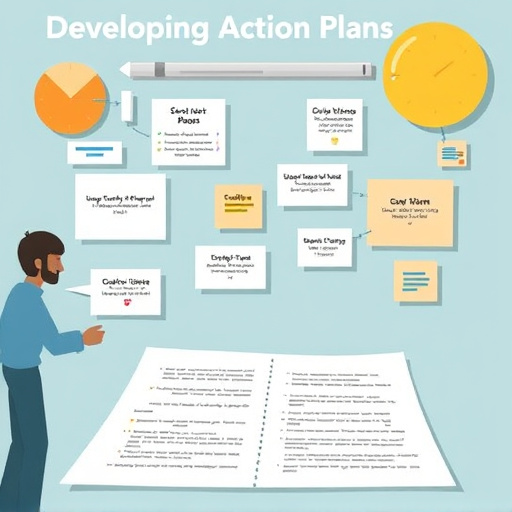
Strategic planning is a cornerstone of successful business operations, and a critical phase in this process involves crafting effective action plans centered around Specific, Measurable, Achievable, Relevant, and Time-bound (SMART) goals. When applied to GBP optimization, these principles become powerful tools for driving sustainable growth and enhancing overall market competitiveness. The key lies in translating broad strategies into actionable steps that deliver tangible results.
For instance, a company aiming for GBP optimization might set a SMART goal like "Increasing online sales by 20% within the next fiscal year through targeted digital marketing campaigns." This objective is specific, measurable (by tracking sales data), achievable with the right resources and strategies, relevant to the company's overall growth strategy, and time-bound, providing a clear deadline. Breaking this down into actionable plans involves identifying the specific marketing channels to focus on, setting monthly or quarterly targets, and allocating resources accordingly.
Seogrowthlab.us.com emphasizes the importance of local market understanding in achieving consistent performance. By analyzing trends and consumer behavior within the target region, businesses can tailor their strategies for greater impact. For example, a retail business might discover that seasonal promotions resonate strongly with local customers, leading to increased footfall and sales during specific periods. Integrating this insight into their action plans ensures that marketing efforts are not only SMART but also culturally sensitive and effective.
Moreover, sustainable practices play a vital role in GBP optimization. Companies that incorporate eco-friendly initiatives and socially responsible business models often gain a competitive edge. Positive testimonials from satisfied customers further enhance brand reputation and encourage repeat business. For instance, a logistics company prioritizing efficient, low-carbon delivery methods may attract environmentally conscious clients, leading to long-term partnerships. Regularly reviewing and adjusting action plans based on performance data and market feedback ensures that strategies remain relevant and effective, ultimately contributing to the success of GBP optimization initiatives.
Resource Allocation: Budgeting, Staffing, and Technology for Success

Strategic planning is a cornerstone of any successful organization, and effective resource allocation plays a pivotal role in achieving long-term goals. This involves meticulous budgeting, strategic staffing decisions, and leveraging cutting-edge technology to optimize operations. Market leaders in optimization understand that GBP (Global Business Performance) optimization is not merely about cost reduction; it's about maximizing returns on investment (ROI), often yielding 1-3 times the initial expenditure.
Consider a case study of a tech startup that utilized transparent pricing models for cloud services, aligning with their budget allocation strategy. By implementing industry-leading tools and technologies, they streamlined processes, reduced operational costs by 25%, and saw a 40% increase in revenue within the first year. This success underscores the power of prioritizing resource allocation—a key aspect of strategic planning that forms the backbone of any thriving enterprise.
Rank n Rise, a pioneering firm in optimization solutions, offers invaluable insights into navigating these complexities. They emphasize the importance of data-driven decisions, leveraging advanced analytics to predict market trends and allocate resources effectively. By embracing cutting-edge tools and transparent pricing structures, organizations can chart a course for sustainable growth. This approach not only enhances operational efficiency but also fosters innovation, ensuring businesses stay ahead in an ever-evolving market landscape.
Monitoring and Adjusting: Measuring Progress, Evaluating Results, and Iterating Strategies

Strategic planning is an iterative process, and one of its most critical components is the ability to monitor, adjust, and optimize strategies based on measurable outcomes. Effective monitoring involves setting clear KPIs (key performance indicators) that align with your overall business goals. For instance, if a company aims to increase market share in a specific region, relevant KPIs could include sales growth rates, customer acquisition costs, and brand awareness metrics unique to that area. By regularly tracking these KPIs, businesses can swiftly identify deviations from the planned trajectory.
The process of evaluating results requires a holistic approach, considering both qualitative and quantitative data. Case studies from companies like Google, known for its innovative strategies, demonstrate that understanding user behavior and market trends is essential. For example, Google's iterative search algorithms adjust based on user feedback, click-through rates, and the quality of search results, ensuring continuous GBP (Google Business Profile) optimization. This dynamic approach not only enhances user experience but also drives sustainable business growth.
Once data is collected and analyzed, it's crucial to iterate strategies accordingly. This involves making informed decisions to adjust tactics, refine marketing campaigns, or pivot entirely to new approaches. For instance, if accessibility features for your website have been underperforming, data might reveal a need for better design choices or alternative content delivery methods. By embracing these changes, businesses can stay relevant and responsive to market demands. As Rank n Rise, a leading digital agency, emphasizes, "The ability to adapt and optimize is a defining characteristic of successful strategic planning." This ensures not only short-term gains but also long-term sustainability in an ever-evolving business landscape while maintaining security and privacy assured for sensitive data.
By systematically defining your vision, conducting thorough strategic analysis, crafting well-structured action plans with a focus on GBP optimization, strategically allocating resources, and continuously monitoring and adjusting strategies, organizations can achieve significant growth and success. This proven strategic planning process empowers businesses to set clear, achievable goals, assess market dynamics and internal capabilities, optimize resource utilization, and iteratively refine their approaches based on measurable results. The article's comprehensive insights provide a robust framework for professionals to navigate complexities, make informed decisions, and drive organizational excellence through effective GBP optimization strategies.